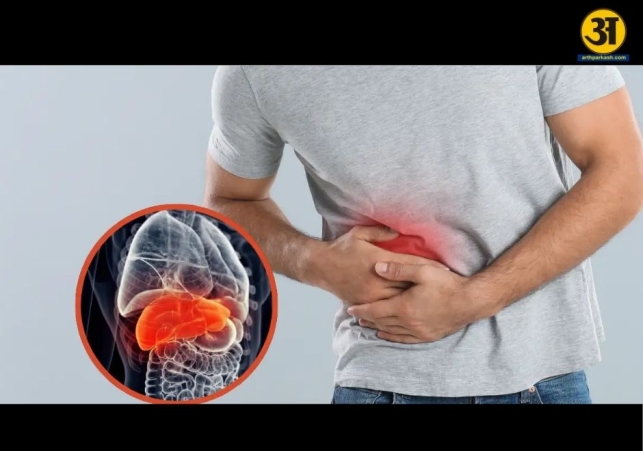
Experts say fatty liver can develop without alcohol use
Fatty liver is not only caused by alcohol, doctors warn about silent risks
- By Gurmehar --
- Monday, 20 Apr, 2026
Fatty liver disease is often linked with alcohol, but doctors say that belief is incomplete and outdated. A growing number of people are developing fatty liver even though they do not drink alcohol at all. This form of the condition is becoming more common and can be dangerous if ignored.
Doctors explain that many people still think liver disease only affects heavy drinkers. Because of this misunderstanding, some patients do not take the condition seriously or delay getting medical help. Experts now say fatty liver is also strongly connected to obesity, poor diet, diabetes, high cholesterol, and lack of physical activity.
This non-alcohol-related form is commonly known as non-alcoholic fatty liver disease, or NAFLD. It happens when excess fat builds up in the liver. Over time, that fat can lead to inflammation, scarring, and serious liver damage.
One of the biggest concerns is that fatty liver often develops silently. Many people have no symptoms in the early stages. They may feel normal and continue daily life without knowing there is a problem. By the time symptoms appear, the disease may already be more advanced.
Doctors say this is why awareness is important. If people understand that alcohol is not the only cause, they may be more likely to get checked early and make lifestyle changes before the condition worsens.
Why fatty liver can go unnoticed
Experts say fatty liver disease rarely gives clear warning signs at first. Some people may feel tired, weak, or have mild discomfort on the right side of the abdomen, but many experience nothing noticeable.
Because symptoms are vague or absent, the condition is often found during routine health tests. A blood test may show abnormal liver enzymes, or an ultrasound may reveal fat buildup in the liver. In some cases, doctors may recommend special scans such as FibroScan to measure liver stiffness and detect scarring.
Doctors say regular screening is especially important for people who are overweight or obese. Those with diabetes, insulin resistance, high cholesterol, or high blood pressure are also at higher risk. Even younger adults are now being diagnosed because of unhealthy eating habits and inactive lifestyles.
Experts warn that ignoring the condition can allow it to progress slowly over years. Fatty liver may first remain as simple fat accumulation, but later it can turn into inflammation. This stage is more serious because liver cells begin to get damaged.
If inflammation continues, fibrosis can develop. Fibrosis means scar tissue starts replacing healthy liver tissue. In severe cases, this can progress to cirrhosis, where the liver becomes heavily scarred and struggles to function properly. Cirrhosis can become life-threatening.
Doctors also say advanced fatty liver disease may increase the risk of liver cancer in some patients. This is why they stress that fatty liver should never be dismissed as a minor issue.
The good news is that early-stage fatty liver is often reversible. If detected in time, many people can improve their liver health through simple daily changes.
ALSO READ: US and Iran likely to hold second round of talks in Pakistan on Monday: Report
ALSO READ: Shooting scare at Washington Navy Yard sparks security alert
Lifestyle changes can prevent serious complications
Doctors say weight management is one of the most effective ways to treat fatty liver. Losing just 5 to 10 percent of body weight can significantly reduce liver fat and improve inflammation.
Healthy eating plays a major role. Experts advise reducing processed foods, sugary drinks, deep-fried items, and excess refined carbohydrates. Instead, people should focus on fruits, vegetables, whole grains, lean proteins, nuts, and healthy fats.
Regular physical activity is also important. Doctors recommend walking, cycling, swimming, or other exercises for at least 30 minutes most days of the week. Exercise helps reduce fat, improve insulin sensitivity, and support liver function.
Managing diabetes and cholesterol is another key step. Since fatty liver is closely linked with metabolic health, controlling blood sugar and lipid levels can slow or stop progression.
Doctors say stress management and proper sleep should not be ignored either. Poor sleep and chronic stress can worsen hormonal imbalance and metabolic problems, increasing risk over time.
In some advanced cases, surgery may become necessary. If the liver develops severe cirrhosis or cancer, treatment can involve complex procedures. Surgeons say operating on a damaged liver is more difficult than surgery on a healthy organ because the tissue becomes fragile.
Modern techniques such as robotic surgery are helping doctors perform some procedures with more precision and smaller incisions. However, experts say surgery should be the last option, not the first. Early prevention remains the safest path.
Doctors want people to understand that fatty liver is not simply an alcohol-related disease. It is increasingly a lifestyle and metabolic health issue affecting millions worldwide. Many people who never drink alcohol may still be at risk.
The message from experts is clear: do not wait for symptoms. Routine check-ups, timely screening, and healthier habits can make a major difference.
Fatty liver often begins quietly, but it does not have to end seriously. With early action, the liver can recover, and people can avoid long-term complications. Recognising that alcohol is only one part of the story is the first step toward better liver health.
Related News